
Choosing a wireless kinetic switch is only part of selecting a lighting control system. The matching receiver determines the control options, supported load and installation format.
For distributors, brands and project buyers, a clear receiver specification also makes it easier to build a suitable product range and answer customer questions. This guide explains what to check before choosing an ECO-NEWLEAF receiver.
1. Start with On/Off Control or Dimming
First, decide whether the application needs simple switching or adjustable lighting.
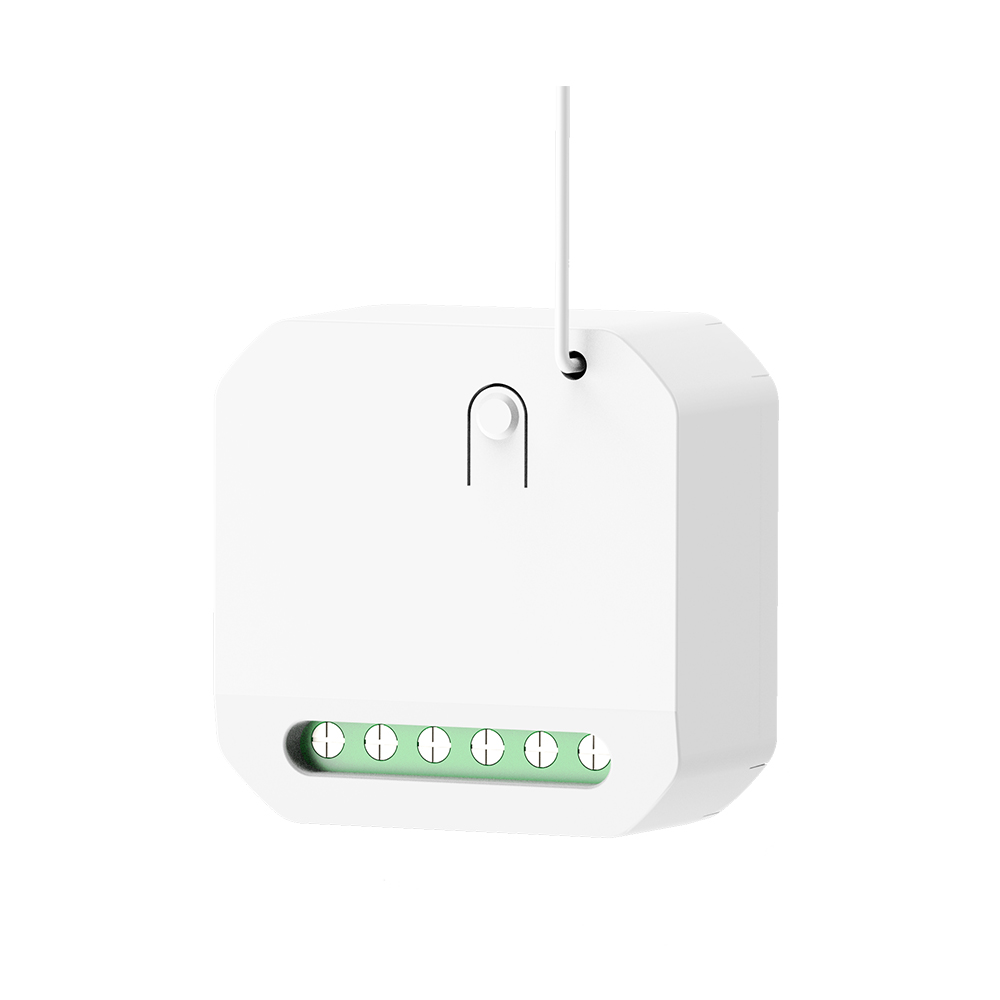
On/off receivers switch the connected lighting load on or off. ECO-NEWLEAF offers C1 and C3 switching receivers, including compact, standard-format and two-channel options.
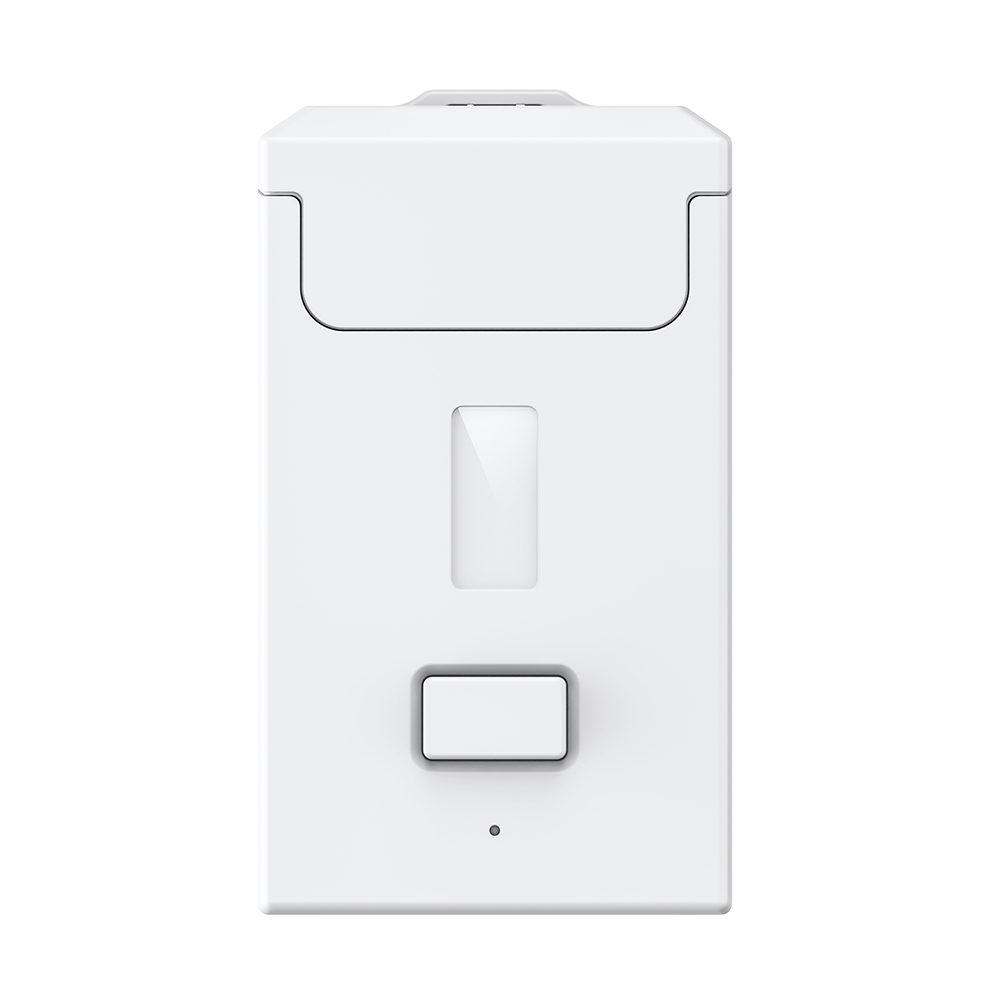
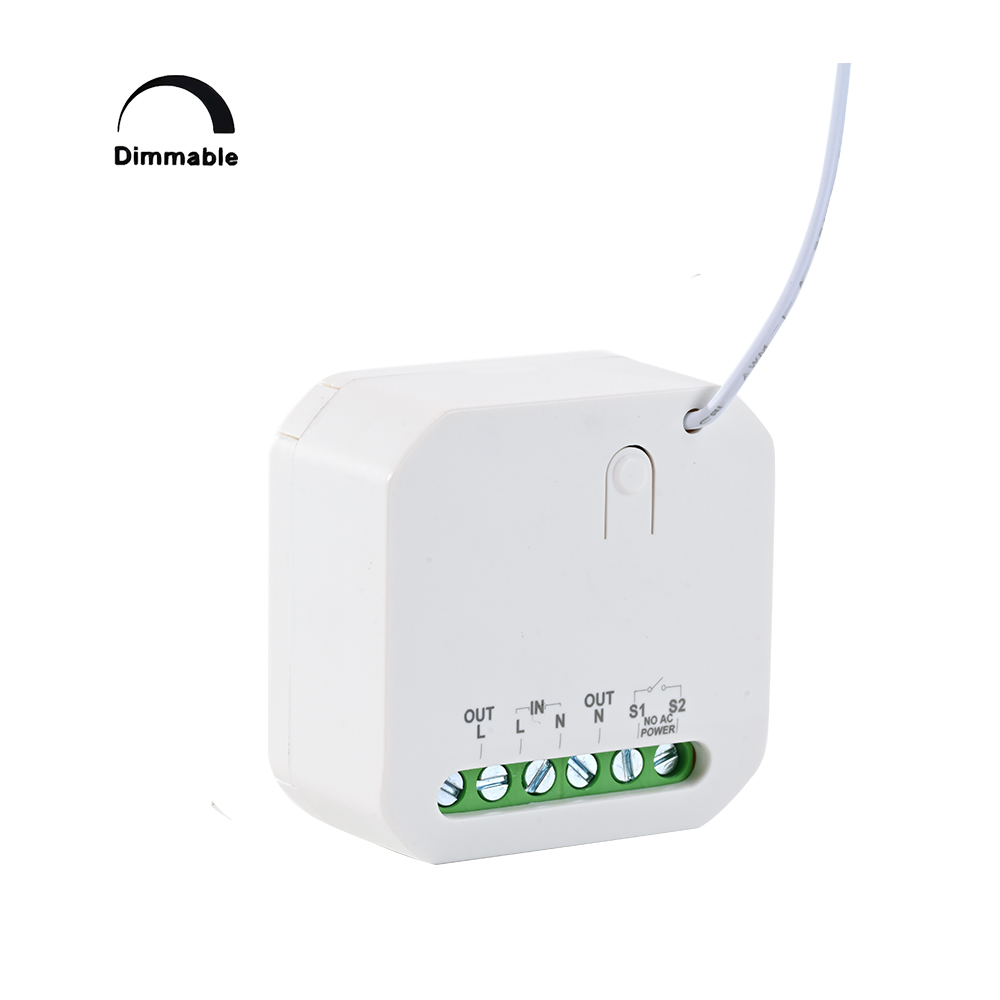
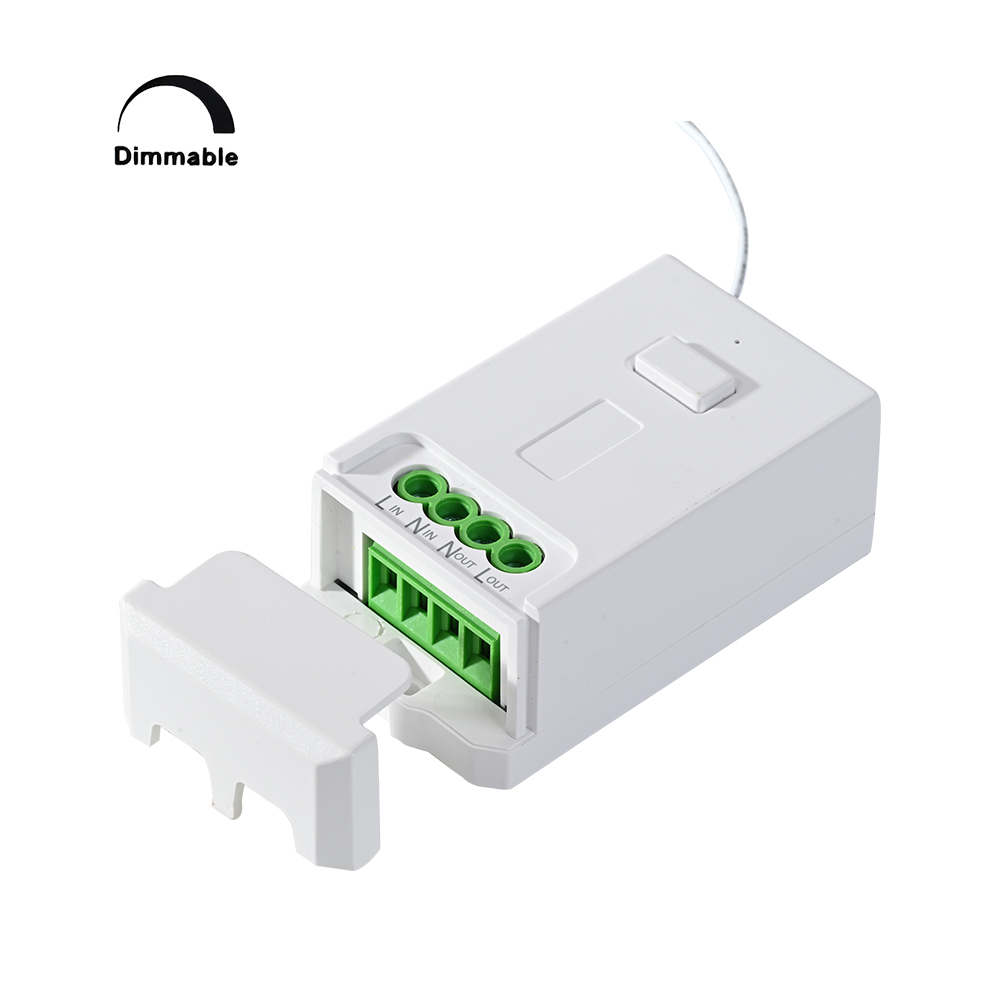
Dimming receivers are intended for compatible dimmable lighting. The D1 and D2 series provide different installation formats and load limits.
For a dimming application, confirm compatibility with the actual lamp or LED driver before selecting the receiver. The wattage alone does not establish whether a lighting product is suitable for dimming.
2. Choose the Control Technology
The ECO-NEWLEAF range includes RF, RF + Wi-Fi and RF + Zigbee versions, depending on the model.
| Control option | What to confirm before ordering |
|---|---|
| RF | Compatibility with the selected wireless kinetic switches |
| RF + Wi-Fi | Required wireless-switch functions and app control features |
| RF + Zigbee | Compatibility with the intended gateway and control system |
Choose the control technology around the customer’s intended system. Confirm switch pairing, app or gateway requirements and the functions supported by the exact model.
For distributors, offering clearly identified control variants can help customers select the right version without confusing similar-looking products.
3. Check the Installation Space
Receiver dimensions should be checked against the available installation space.
The C1 Mini series provides a compact switching format. The C3 Standard series offers switching options in larger formats, including the C3102 two-channel models.
For dimming, compare the D1 Mini and D2 Standard series.
Check the published dimensions together with the space needed for wiring and connections. A receiver fitting inside an enclosure does not, by itself, confirm that the complete installation is suitable.
4. Match the Load Rating to the Lighting
Use the rating for the connected load type. LED and resistive load ratings are listed separately and should not be treated as interchangeable.
The following switching ratings apply at AC 230V:
| Receiver family | LED load | Resistive load |
|---|---|---|
| C1101 | 500W | 1000W |
| C3101 | 1000W | 2000W |
| C3102 | 1000W — Each Channel | 2000W — Each Channel |
| C3161 | 2000W | 3000W |
For the C3102 two-channel receiver, check the connected load on each channel separately against the corresponding rating.
For dimming receivers, distinguish between a single connected load and multiple connected loads:
| Dimming series | Single-load maximum | Multiple-load maximum, total |
|---|---|---|
| D1 | 100W | 30W |
| D2 | 150W | 45W |
When multiple loads are connected, their combined wattage must remain within the multiple-load limit. Confirm the suitability of the actual lamps or drivers as part of model selection.
5. Consider the Installation Environment
An outdoor or moisture-exposed application requires different consideration from an indoor installation.
The ECO-NEWLEAF C2 IP68 waterproof receiver series is a separate option to review for these requirements. Confirm the exact model, control technology, load specification and installation conditions before ordering.
Do not select a receiver solely from its appearance or series name.
6. Prepare a Clear Enquiry
To help us recommend a suitable receiver, include:
- Whether you need on/off control or dimming.
- The lamp or driver type, quantity and wattage.
- The supply voltage.
- The preferred control technology.
- The available installation space and environment.
- The required number of independently controlled channels.
For brand and distributor enquiries, also include your target market, expected order quantity and any private-label or packaging requirements.
Explore the ECO-NEWLEAF receiver range to compare models, or contact our team with your project requirements.